
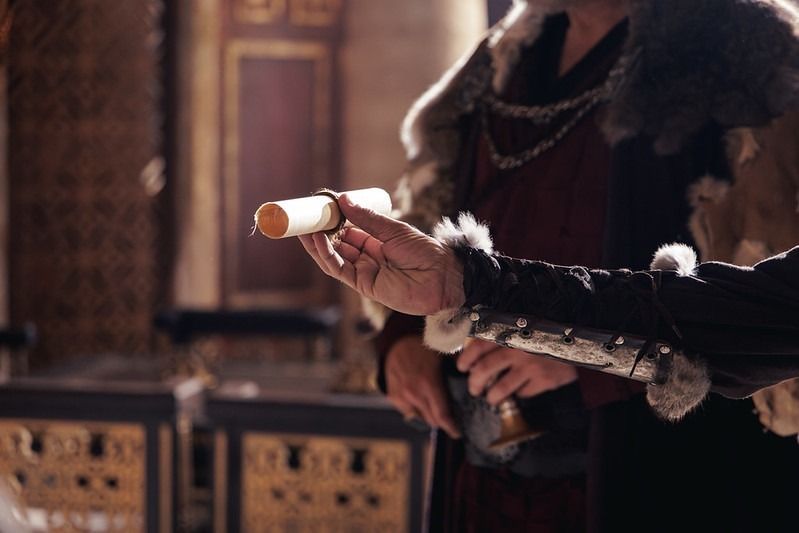
Para entender Amor em Ruínas e o contexto político da época, voltemos há séculos…
A história de Oseias se passa em um dos períodos mais conturbados de Israel. O profeta viveu durante o século VIII a.C., uma época marcada pela opulência e luxúria; em contrapartida, pela desigualdade social e violência política. O povo encontrava-se espiritualmente distante de Deus; entretanto, politicamente, aparentava estabilidade.
A Bíblia cita, em Oseias 1:1, os reis que ocupavam o trono na época: *“Palavra do Senhor que veio a Oseias… nos dias de Uzias, Jotão, Acaz e Ezequias, reis de Judá, e nos dias de Jeroboão, filho de Joás, rei de Israel.” (Oseias 1:1)*
Enquanto o Reino de Judá , ao sul, teve certa estabilidade com reis como Ezequias, o Reino de Israel, ao norte, enfrentava uma grande crise política . ⚔️
Durante a época de Jeroboão II, em Samaria (capital de Israel), houve grande prosperidade material e expansão territorial, mas, sob seu governo, a idolatria e a injustiça social se enraizaram. Com isso, a corrupção ganhava força na medida em que a moralidade se degenerava.
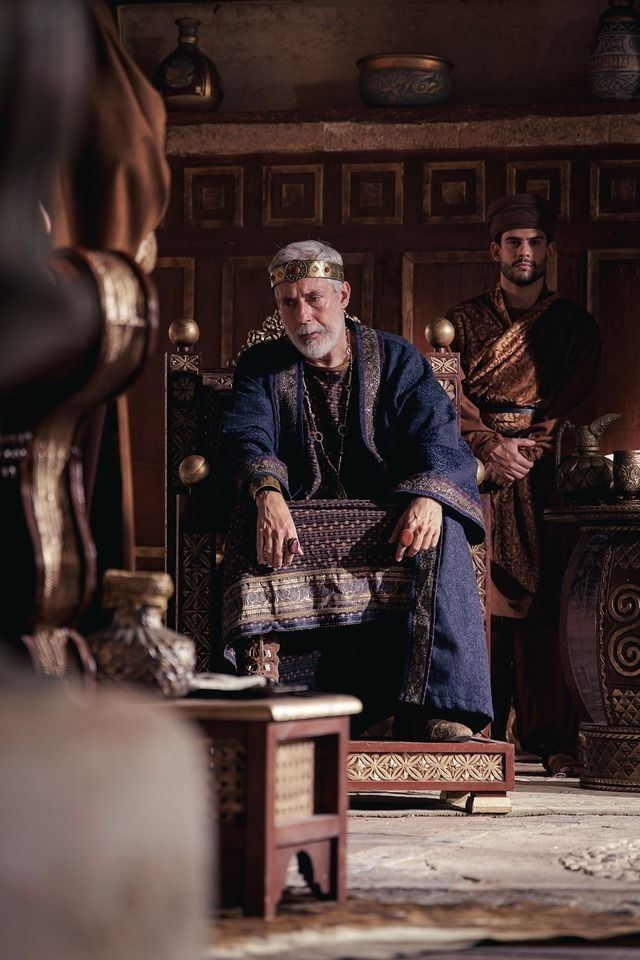
| Rei Jeroboão ll assentado em seu trono real.
Tudo isso refletia na forma como o povo tratava seu relacionamento com o Criador, deixando para trás os ensinamentos passados e se embriagando com a idolatria da época.
Oseias denunciava essa prática: *“Só predominam o perjurar, o mentir, o matar, o furtar e o adulterar…” (Oseias 4:2)*
Após a morte de Jeroboão II, a situação política piorou ainda mais. Israel entrou em um período marcado por conspirações, golpes e assassinato de reis: Zacarias , Salum, Manaém, Pecaías e Peca (2 Reis 15:10-25), nomes que vocês 🫵 verão e acompanharão tuuudo em Amor em Ruínas. 😎 (Já adianto aqui: isso não é spoiler, está tudo na Bíblia 😉)
Por outro lado, além da crise interna, Israel vivia sob pressão do Império Assírio, o maior e mais poderoso da época, que, devido à sua expansão territorial e força militar, conquistou diversas nações ao redor. Com isso, os reinos menores viviam sob a tensão de guerras e invasões assírias.
Diante dessas ameaças, os reis da época apoiavam-se em alianças políticas com outros povos, como o Egito, em vez de confiar na Aliança de Deus. “Porque Efraim é como uma pomba ingênua, sem entendimento; invocam o Egito, vão para a Assíria.” (Oseias 7:11)
Nesse cenário político e histórico, em meio à fraqueza espiritual, Deus levantou Oseias, o homem que escrevia o que Ele chorava. Sua vida pessoal tornou-se símbolo da relação que o Criador tem com a criatura, mostrando que, apesar da infidelidade e do desprezo , o Seu amor continua lá.
*Amor em Ruínas | E*streia dia 24 de julho , só no UNIVER Vídeo. 🪻