

A novela Os Dez Mandamentos chegou ao Univer Vídeo, após fazer um sucesso mundial.

Os Dez Mandamentos foi transmitido em 30 países e foi um sucesso de audiência no Brasil. Mas qual é a história e contexto do povo hebreu saindo do Egito, rumo à Terra Prometida?

Os primeiros israelitas que migraram para o Egito
Antes de falar sobre a história da novela Os Dez Mandamentos, entenda o contexto que fez com que o povo hebreu saísse de suas terras em Israel e migrasse para o Egito.
O Egito era uma superpotência muito diferente de Israel, primeiramente por não acreditar em um só Deus. O culto a diversos deuses eram tantos, incluindo o próprio Faraó (governante da época) e o deus sol.
Os egípcios tinham como natural a prática do incesto, orgia, idolatria a divindades pagãs, alto teor de erotismo e nudez, ou seja, tudo bem ao contrário dos dez mandamentos.
E, neste contexto terrível e diferente do povo de Israel, um jovem chamado José foi vendido pelos irmãos, para ser escravo no Egito.
José no Egito
Chegando lá, ele foi escolhido por Potifar, oficial do Faraó, para ser escravo em sua casa.
Em Gênesis 39:2 diz que o Senhor era com José e ele foi um homem próspero. É claro que essa característica marcante de ter Deus ao seu lado era vista por todos, inclusive por Potifar, que se encantou pelo jovem e o colocou para cuidar de tudo que lhe pertencia.
Mesmo isso acontecendo muitos anos antes dos dez mandamentos existirem, José já tinha dentro dele um espírito diferente das promiscuidades dos egípcios.
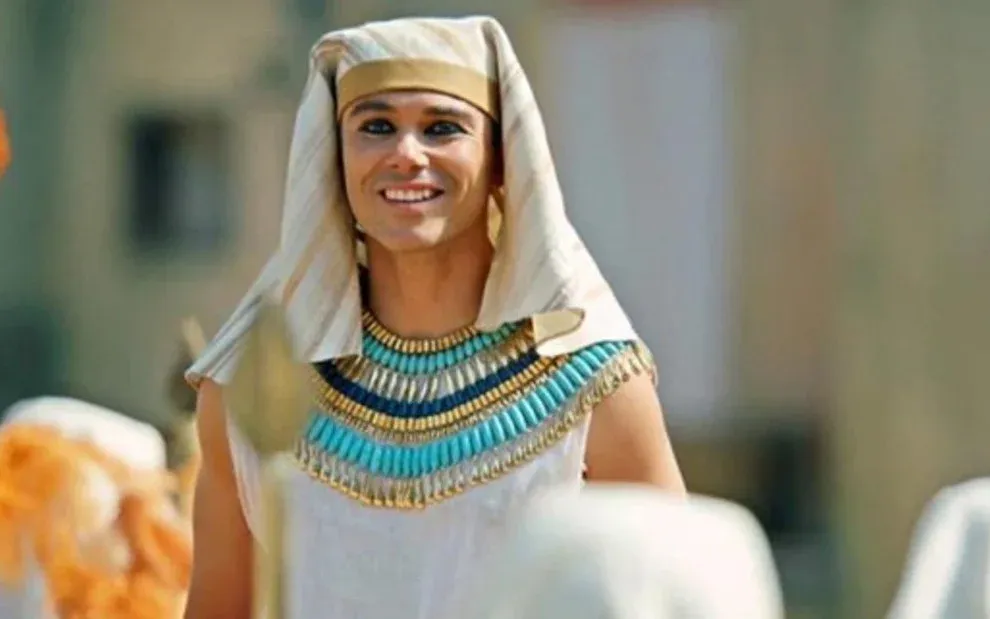
Ele não precisava dos escritos dos dez mandamentos em uma tábua para fazer o que agradava a Deus. Após algumas situações injustas na vida do jovem, ele foi chamado pelo Faraó para interpretar seus sonhos, que o assombravam. Após ver o poder de Deus por meio de José, Faraó o instituiu governador de todo o Egito.
Isso significou que, abaixo do Faraó, não havia ninguém mais poderoso que José, o israelita.
Com uma grande seca assolando o Egito e sendo refletida também em todas as terras, aconteceu que o pai de José (que pensava que o filho estava morto), mandou que os irmãos fossem até o Egito, em busca de mantimentos.
Chegando no Egito, os irmãos descobriram que o governador era José. Após um grande reencontro, o Faraó permitiu e fez muito gosto que toda a família de José fosse para o Egito e fizessem moradia lá.
É claro que, naquele momento, o povo hebreu estava muito feliz no Egito. Todo o contexto ajudou para isso.
Mas, com a morte de José e (grande!) multiplicação do povo de Israel, as terras egípcias se encheram de israelitas.
Um novo rei que não conheceu José
Após o contexto da chegada do povo hebreu no Egito, a partir deste ponto começa oficialmente a história da novela Os Dez Mandamentos.
Quando a família de José chegou a o Egito, eram setenta pessoas. Quando este rei que não conheceu José se levantou, eram mais de seiscentos mil homens, sem contar as mulheres e crianças!
Esse novo rei temeu que os hebreus se levantassem contra o Egito e, por serem mais fortes, ganhassem uma possível peleja. Em Os Dez Mandamentos, o primeiro Faraó da trama é Seti I. Esse que não conheceu José, escravizava o povo hebreu sem piedade.
Quanto mais eles se multiplicavam, mais o Faraó ordenava que a carga dos escravos aumentasse. O povo hebreu construiu muito do que o Egito se tornou, incluindo duas cidades-armazéns, que foram chamadas de Pitom e Ramessés.
Não pense você que os escravos eram aqueles que serviam na casa de seus senhores. Em Os Dez Mandamentos, é possível ver nitidamente a diferença entre os servos e os escravos, que apanhavam enquanto trabalhavam.
Servos X Escravos
O servo era um empregado, que fazia tudo com excelência, mas quando desejasse ir embora, ele poderia.
Durante a trama de Os Dez Mandamentos, até acontece de alguns personagens que trabalham no palácio, pedirem para voltar para a casa de seus familiares (sem spoilers), seja porque eram hebreus e não queriam mais viver como egípicio ou qualquer outra razão.
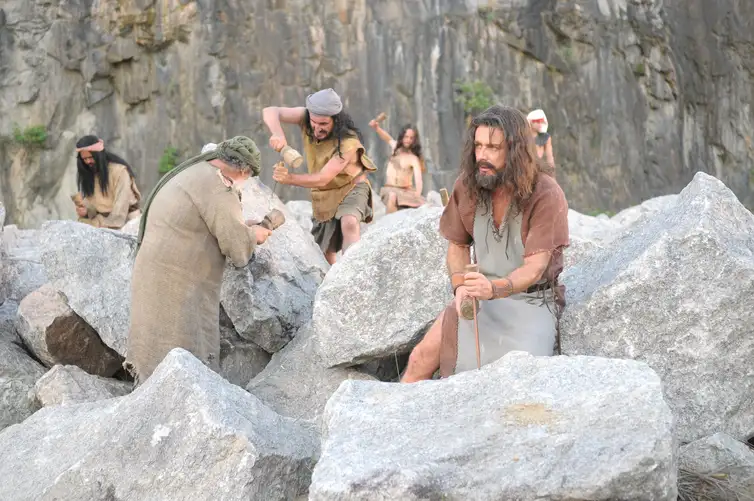
Esses poderiam sair, mas sabendo que não seriam aceitos mais de volta tão facilmente, é claro. Mas, não eram todos que tinham esse alto privilégio.
Outra óbvia característica que diferenciava os escravos dos servos era que os escravos facilmente sofriam punições. Eram a classe mais baixa da pirâmide da sociedade, então sofriam mais. E claro, os hebreus eram dessa classe.
O temor que causou muitas mortes
Por receio das possíveis consequências da expansão do povo hebreu, o Faraó ordenou que todos os recém-nascidos do sexo masculino fossem lançados no rio, visando a sua morte.

Em Os Dez Mandamentos, os bebês recém-nascidos eram obrigatoriamente retirados de suas mães pelos soldados, com a finalidade de serem mortos. Você consegue imaginar o sofrimento desse povo?
Após serem feitos de escravos, suas cargas foram aumentadas por um receio do Faraó. Então, teriam de lidar com o fato de que se o bebê nascesse menino, ele morreria.
Foi nesse contexto que Moisés nasceu, em Os Dez Mandamentos. Correndo risco de vida, sua mãe o escondeu por três meses, até o dia que não conseguiu mais e teve que tomar uma difícil decisão.
Colocou o bebê em uma manjedoura e o deixou às margens de um rio. Mesmo não sabendo o que aconteceria e sofrendo muito com a decisão, Deus já estava cuidando do futuro libertador do povo hebreu.
Moisés egípcio
Coincidentemente, a filha do Faraó encontrou o bebê no rio e, em Os Dez Mandamentos, o Faraó aceita que a princesa crie o bebê, mesmo não gostando tanto da ideia.
A falta de afeto pelo neto fica claro em alguns momentos da novela Os Dez Mandamentos e, mesmo isso não sendo relatado na Bíblia, não é difícil imaginar o que Moisés sofreu enquanto esteve no palácio.
Crescendo cheio de regalias, Ramsés, Nefertari e Moisés viveram juntos, aprendendo tudo sobre a cultura egípcia. Moisés nunca soube que era um hebreu, porém, em Os Dez Mandamentos, ele tem alguns conflitos sobre o culto a vários deuses.
A realidade chega para todos e não foi diferente com Moisés, que descobriu sua origem hebreia, enquanto ainda morava no palácio.
Os Dez Mandamentos apresentarão as situações que Moisés vivenciou. Devido a isso, ele decide fugir do palácio e do Egito, retornando somente após a morte do Faraó.

O retorno de Moisés
Moisés retorna de uma forma completamente diferente, agora ele não é mais um príncipe egípcio, e sim um libertador para o povo hebreu, fruto de um clamor feito por eles.
Mas é claro que não seria fácil conseguir a libertação do povo hebreu. Depois de tantos anos os tendo como escravos, o novo Faraó não permitiu que eles se fossem.
Toda ordem de Deus, se não obedecida, tem uma consequência. E para o Faraó, Deus enviou dez pragas para o Egito, muito bem detalhadas na novela Os Dez Mandamentos, que não só ele, como todo o seu povo sofreu. Apenas os hebreus foram poupados.
Com a última e mais fatal praga no Egito, Ramsés ordena que os hebreus vá embora. A partir daí, inicia uma jornada de ida à Canaã, e, durante o percurso, o povo receberia os dez mandamentos para seguir.
Era necessário fazer os Dez Mandamentos, pois aquele povo, mesmo sendo hebreu, havia passado mais de quatrocentos anos no Egito.
Quem escreveu os dez mandamentos?
O próprio Deus instituiu as leis dos dez mandamentos e escreveu nas tábuas para Moisés.
Em Êxodo 20, você pode ler, detalhadamente, sobre como foi a criação dos dez mandamentos.
Onde assistir à novela Os Dez Mandamentos?
Como falei no início, Os Dez Mandamentos chegou ao Univer Vídeo.
A novela dos dez mandamentos tem muitas lições. Vou listar aqui seis delas, para você perceber, enquanto assiste os dez mandamentos:
- A fé de Joquebede, ao colocar seu bebê em uma manjedoura e confiar em Deus;
- Moisés não se omitir da injustiça do soldado egípcio com o hebreu;
- Moisés precisar vencer o seu medo e voltar para o Egito;
- Quando o governante é mau, o povo perece. Por causa da teimosia de Faraó, o povo pereceu com as dez pragas;
- A murmuração e falta de fé do povo quando sentiu fome;
- A inconstância do povo, quando Moisés subiu para pegar as tábuas dos dez mandamentos, e, quando voltou, os hebreus estavam em idolatria.
Clique aqui para conhecer os planos de assinatura do Univer Vídeo, escolher um deles, aproveitar a novela Os Dez Mandamentos e mais de 10 mil horas de conteúdos que fazem bem.